• Dental Implants - What You Should Know Before Undergoing Dental Implants


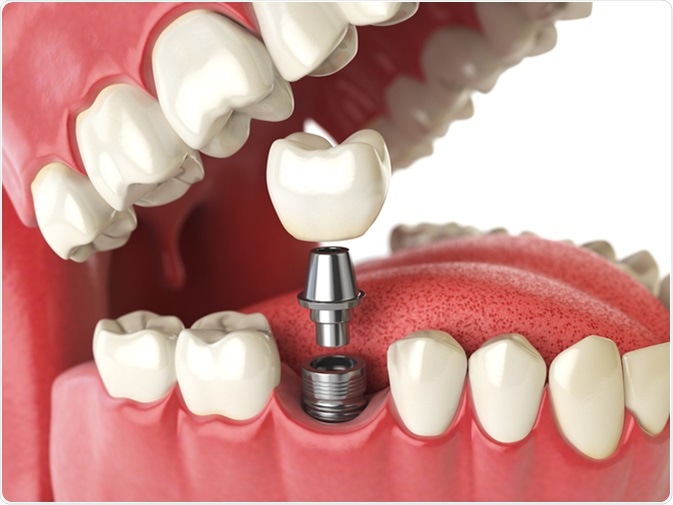
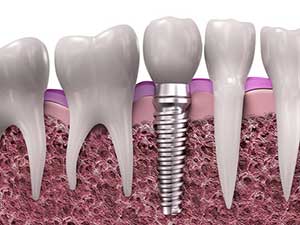
    If you have lost a tooth, you may want to consider dental implants. This procedure bonds a small connector post called an abutment to the jawbone. Your dentist will create a model of your bite so that a new tooth will fit perfectly. Then, the dentist will attach the replacement tooth to the abutment. Some patients don't need individual crowns and instead only require an attachment on the implant for a removable denture. Read more about dental implants on this page.

    The initial surgical procedure should cause very little discomfort. Minor bleeding is normal, but the implant site can bleed. Your dentist may prescribe pain medication to help you get through this process. You will need to stay off solid food for a few days. The dental team will likely place stitches or clips to keep the implant in place during this time. Self-dissolving stitches are not necessary. However, you will need to refrain from smoking until your healing process is complete.

    You should not smoke or use other medications until at least four weeks after your surgery. You can also take pain medication to ease the pain. Your dentist will also prescribe antibiotics if the swelling is severe. The initial recovery process may last up to three months, and you can usually resume eating normal foods after this time. You should also avoid chewing on your implant for a few weeks. During this time, you should avoid eating any hard or sticky foods for the first few days.

    Before undergoing the procedure, you should make sure that you are in good general health. Your health is more important than your age. Your oral health is very important for the success of your implant. Your dentist will assess your overall health and determine whether you are healthy enough for the procedure. A chronic illness can affect the healing process, and if you smoke, you may not be a good candidate. You should also quit smoking to avoid any risks related to your dental implants. Click here to learn more about dental implant.

    Before undergoing a dental implant procedure, you should make sure that your overall health is good. Your health is much more important than your age, so your dentist will perform a medical exam before the surgery. If you have a chronic illness, you should talk to your doctor about this. It is possible that you won't be a good candidate for the surgery. For your safety, you should not smoke while undergoing the procedure. Your mouth needs to be as healthy as possible. 

    Your dentist will need to carefully plan your procedure. You should be in excellent health to have successful results. If you're a smoker, you should stop immediately. The effects of nicotine on the healing process are more visible than the pain caused by tobacco. But, if you're not in good health, you're not a candidate for dental implants. Your oral health is important. It is crucial that you practice good hygiene. Your teeth should be clean and free from debris. Check out this related post to get more enlightened on the topic: https://en.wikipedia.org/wiki/Dentist.


  • Dental Implants Explained

    Dental implants are an excellent solution for missing teeth. Although they are expensive, these devices are long lasting and can last for decades. The success rate of dental implants is as high as 98%. The procedure is not covered by dental insurance. Many dental insurance policies do not cover the costs of dental implants. It is recommended that you check with your insurance provider before scheduling the procedure. During the procedure, you will be given an individualized treatment plan developed by a team of professionals. This team approach ensures that all of the necessary details are taken care of in a coordinated manner.

    Before the procedure, the dentist will conduct a comprehensive dental examination and may use 3D imaging, such as a CT scan, to determine the health of your jawbone and dental tissues. If the condition of your teeth is severe, the dentist may perform the procedure in collaboration with an oral surgeon. Other dentists specialize in implantology and will perform the surgery in a hospital or outpatient setting. While the procedure will be uncomfortable, the results will be worth the wait.

    After the initial surgical procedure, a partial denture is often placed to improve appearance. The partial denture is easily removable and can be removed for cleaning or sleeping. Osteointegration occurs, which is the process of the metal implant post growing into the jawbone. The process can take several months, but the end result is a secure foundation for an artificial tooth. This will last a lifetime and will give you the confidence to smile confidently!

    The initial surgical procedure for dental implants is painless, click on this link to know more. There is some swelling and minor bleeding at the implant site, but this should be minimal. The dentist may prescribe prescription pain medications. You will also need to eat soft food for a few days. Your dentist will place stitches to close the incision, and they need to be removed after a week or two. Self-dissolving stitches will not need to be removed. It's recommended to see a dentist after the surgery to ensure that you're comfortable with your new replacement teeth.

    After your oral surgery, you may require a period of time before the implants are attached to your teeth. Your dentist will need to take X-rays and 3D images of your mouth to prepare for the procedure. It will be important to have an initial consultation to determine which procedures will best serve you. In addition to having a complete dental exam, your dentist will also need to make a model of your mouth. It is important to make sure that all the information needed for your dental implant procedure is accurate and up-to-date. Click here now! to understand more about dental implant.

    Once your dental surgery is complete, you will be given a permanent set of teeth. Implants are custom-made and will look exactly like your natural teeth. The process is usually completed within six months, but it can take as long as a year to complete. Fortunately, most dental surgeries can be completed quickly and painlessly. If you have an x-ray, your dentist can provide it for you. Your implant will not be as successful if it is placed improperly. You can get more enlightened on this topic by reading here: https://en.wikipedia.org/wiki/Dental_implant.


  • Dental Implants Explained


    Dental implants are a great way to replace missing teeth. They provide the strength needed to chew, maintain the jaw bone, and support your facial features. However, they are only appropriate for certain patients. You will need to schedule a consultation to determine if dental implants are right for you. Your dentist will perform a thorough examination of your teeth and jaw bone. Your dentist may even use computer tomography scans to determine the ideal location for your new dental implant. Follow this homepage to know more about dental implant.

    Surgical procedures involve pulling out the remaining teeth. The procedure may be performed on a single tooth, or it can be a full arch procedure. The final result is a permanent and beautiful smile. The implant's titanium head is surgically fused to the jawbone, which is a permanent fixture that lasts a lifetime. The procedure can be performed on both the upper and lower jaw, and involves multiple surgeries. The initial surgery will cause minor discomfort, but the post-operative pain is minimal. You may need to take prescription pain medication to alleviate the discomfort. Your dentist may place stitches to prevent infection, but they will usually dissolve on their own.

    The initial surgical procedure is relatively painless and will only last a few hours. Some minor bleeding is normal and will go away within a couple of days. Your dentist will likely prescribe a prescription for you to take. The procedure will require you to stay off of hard or crunchy foods for the first week or two. Your dentist will also remove stitches, if any. Self-dissolving stitches will eventually dissolve. If you have any underlying issues, be sure to consult with your dentist before undergoing the surgery.

    Dental implants help prevent bone loss in the jaw. When a tooth is lost, the jawbone naturally erodes, causing your other teeth to fall out and resulting in a "sunken" appearance. The implant will provide a stimulation to the jawbone to prevent the bone from deteriorating. Having dental implants restores your confidence, and improves your overall health. You can smile again! If you've been suffering from tooth loss due to tooth decay or periodontal disease, then dental implants may be the perfect solution for you.

    When you get dental implants, the first step is to undergo a surgical procedure. The procedure will most likely involve the removal of your natural tooth. A bone graft will provide a more stable foundation for the implant. The process is generally painless, but you may experience some bleeding for a few days after the procedure. You should not drink alcohol or smoke until your jaw has healed. You will need to drink plenty of water for a few days. This website will enable you know more about dental implants.

    In general, dental implants are made of titanium. The surface of the implant is very important for long-term integration and stability of the treatment. A porous or machined surface will provide more contact with the bone. A plasma-sprayed titanium surface will also be more stable and contribute to greater bone contact. Other materials that are nonmetals include zirconia. During the healing process, the implant is secured by screws, which attach to the implant head. Check out this post for more details related to this article: https://en.wikipedia.org/wiki/Dentistry.


Free Website Created & Hosted with Website.com Website Builder

Create Yours

Create Free Website Now

Stunning Website Templates. Free Domain.
website.com: Get Your .COM Domain for Just $14.77/year No Hidden Fees Register Now